Does Homesteading Actually Save Money?

The Honest Answer
Homesteading is not an immediate money-saving strategy. It often requires significant upfront investment before any financial benefits appear. Seeds, soil, tools, fencing, and livestock infrastructure all cost money before they produce returns.
The honest math: most beginners spend more than they save in year one. The savings arrive later, after systems are built, skills are learned, and infrastructure is paid off. Done gradually and strategically, homesteading can become cost-effective. Done impulsively, it can become expensive.
Want the Complete Homestead Roadmap?
Skip years of trial and error. Get the complete step-by-step system for building a profitable, sustainable homestead.
Get the BookThe Upfront Reality
A modest starter garden can cost $100–$300 in soil, seeds, and tools. A small chicken setup runs $300–$600 for a coop, feeders, and initial stock. Canning equipment, dehydrators, and storage supplies add another $200–$500. These are real costs paid before the first harvest or egg.
The mistake most beginners make is buying too much too early. A $2,000 greenhouse before you have grown a single tomato. A dozen chicks before you have a predator-proof coop. The enthusiasm is understandable, but the spending pattern delays the break-even point by years.
Free: First-Year Homestead Roadmap (PDF)
A printable 12-month roadmap broken into 4 simple seasons. Sent instantly to your inbox.
No spam — unsubscribe anytime.
Where the Long-Term Savings Come From
Grocery reduction is the most reliable savings stream. A well-managed garden can offset $50–$150 per month in produce costs during growing season. Home food production extends that through preservation: canned tomatoes, frozen beans, and fermented vegetables stretch harvests across the year.
Bulk storage savings matter too. Buying staples in bulk and storing them properly cuts per-unit costs significantly. Reduced dependency on stores means fewer impulse trips and less exposure to price spikes. Over a 3–5 year horizon, these savings compound meaningfully.
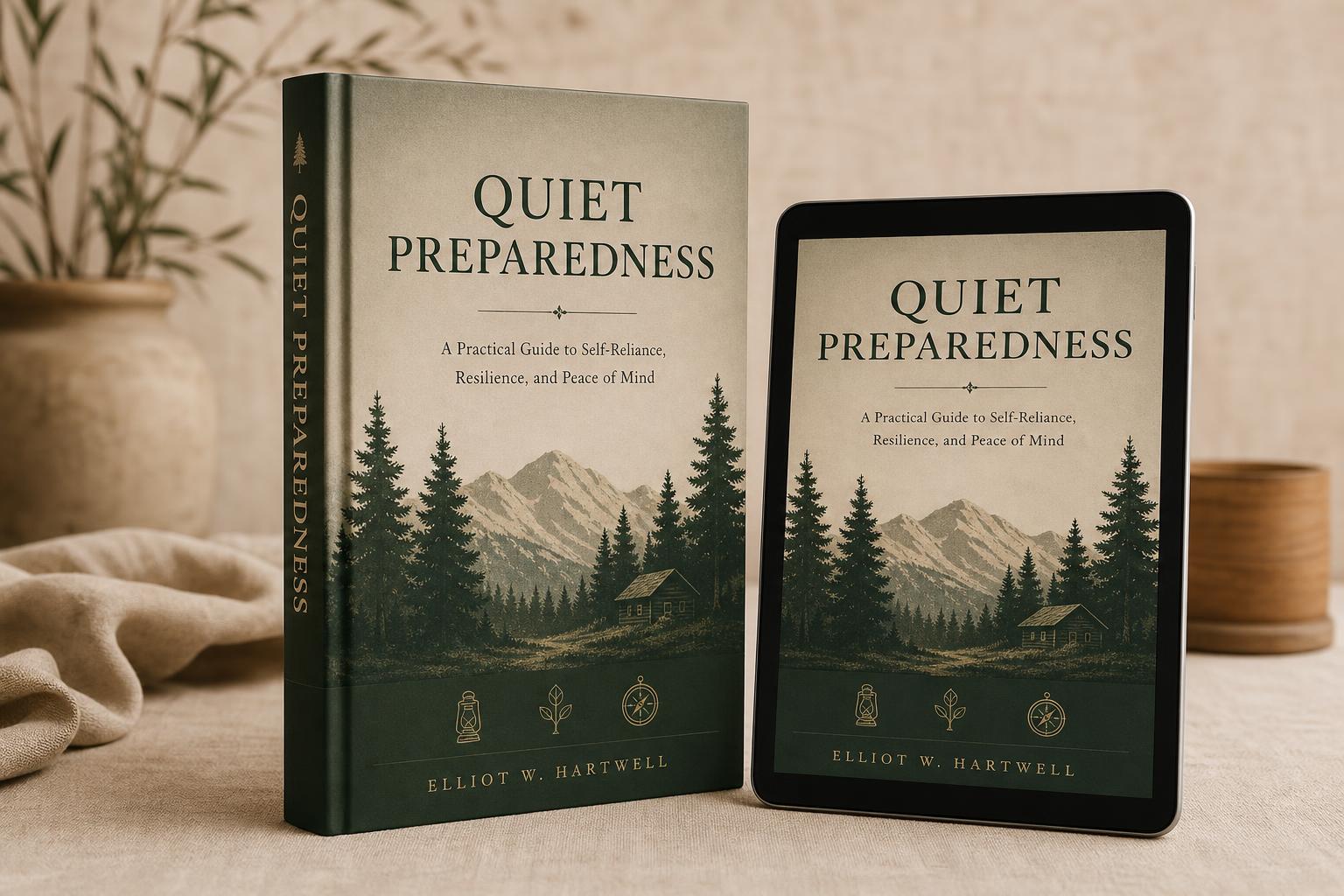
Quiet Preparedness — Physical + Digital Book Bundle
The complete beginner-friendly companion to this article. Plain-language, no hype.
See what's inside — $37Beginner Mistakes That Cost Money
The three biggest money drains are over-buying equipment, starting too many projects at once, and neglecting to track costs. Beginners often lose money by buying premium tools before they know what they actually need, spreading themselves across ten half-finished systems, and having no idea whether their garden saved or cost them money.
The fix is simple: start one system, track every dollar, and expand only after the first system is producing reliable results. This discipline separates hobby homesteaders from cost-effective ones.
Making It Cost-Effective
Homesteading becomes cost-effective when done gradually and strategically. Start with the highest-return crops: tomatoes, leafy greens, herbs, and eggs. Preserve everything you cannot eat fresh. Reinvest savings into the next system only after the first one is profitable.
If you want a detailed financial roadmap that shows exactly which systems pay back fastest and how to phase investments over five years, the Quiet Preparedness book bundle includes income planning worksheets and startup cost breakdowns written for real family budgets.
Ready to Build Your Homestead the Smart Way?
The Quiet Preparedness book bundle gives you everything you need to skip the guesswork and build a homestead that actually works.
- Land selection strategies
- Income planning worksheets
- Homestead startup roadmap
- Equipment checklists
- Financial planning templates
- Self-sufficiency planning guides
Recommended Tools
Vetted picks that pair well with this guide. Some links are affiliate links — they cost you nothing extra and help support the journal.
Beginner's Homestead Planner
A printable 90-day planner to map your first homestead milestones.
Get the plannerQuiet Preparedness Book Bundle
Physical + digital guide to practical self-reliance for ordinary families.
View the bundleHomestead Skills Field Notebook
Weatherproof notebook for tracking harvests, livestock, and projects.
Check priceDownload: Free Homestead Starter Checklist (PDF)
A one-page printable checklist to help you set up your first homestead system.
No spam — unsubscribe anytime.
Frequently Asked Questions
Build quiet self-reliance — one step at a time.
The Quiet Preparedness book bundle is the full step-by-step companion to everything on this site.
- Physical book shipped to your door
- Instant digital access included
- Beginner-friendly, no hype

Written by
Quiet Prepared Editorial Team
We're a small team of beginner-friendly homesteaders and writers focused on practical, fear-free guidance for families building real self-reliance.
More from Financial Freedom
Pillar topic
Read the full Supply Shortages guide
This article is part of our Supply Shortages pillar. Explore the complete cluster of supporting guides on the topic.
Explore Supply Shortages